
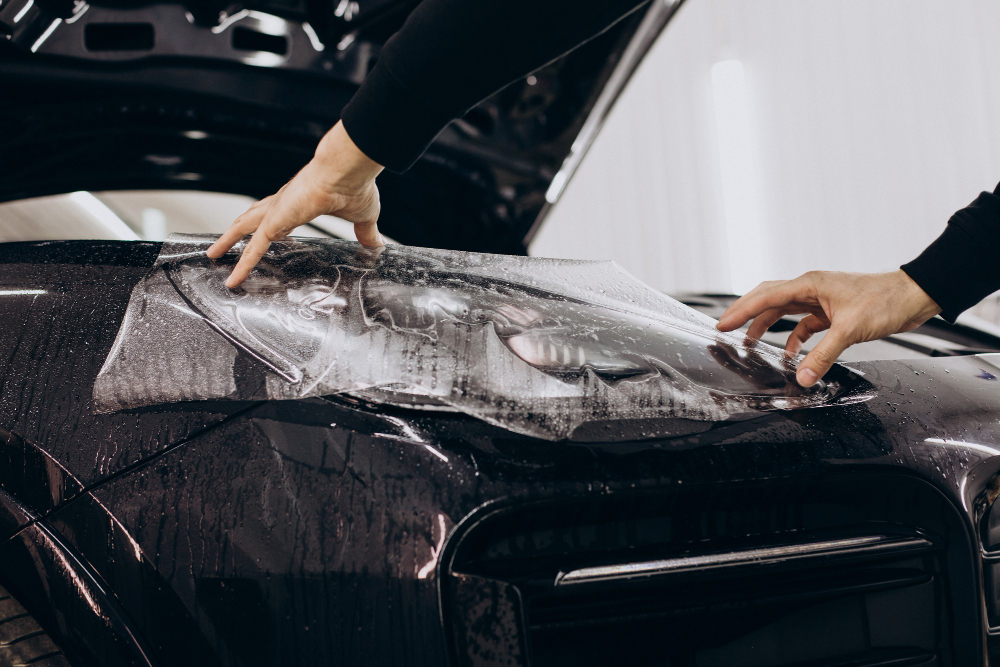
A vinyl wrap does not damage factory paint that is in good condition, as long as the film goes on a clean surface and comes off correctly. When paint does come away with a wrap, the cause is usually the paint under the film or the way the film was removed.
Ace Built Automotive wraps cars, trucks, and SUVs in Las Vegas. This guide covers the paint conditions that cause trouble, what removal involves, and how to check your own vehicle before you book.
What the film manufacturers say
Two major wrap film makers write the answer into their own instructions. 3M’s bulletin for its 2080 wrap film states that the intended surface is standard OEM vehicle paint, and that the film is removable with heat or chemicals from most surfaces within the warranty period. Avery Dennison’s application bulletin requires OEM paint in good, sound condition that is free of oxidation.
Both statements carry the same condition. Clean removal is tied to factory paint in sound condition and to a film that is still inside its service life.
Four paint conditions that cause problems
Repainted panels
Avery Dennison notes that aftermarket paint does not typically bond to the vehicle as strongly as factory paint. A body shop finish can look perfect and still release under the pull of wrap adhesive years later. A rough orange peel texture or overspray on nearby trim are signs that a panel has been refinished.
Fresh paint that has not cured
New paint needs time before film goes over it. Avery Dennison requires painted surfaces to be cured to the paint manufacturer’s requirements and warns that skipping this can lead to adhesion failure or removal problems. Ask the body shop how long its paint system needs.
Touch-up paint, chips, and scratches
Chips and scratches are weak points in the finish. Touch-up paint sits on top of the original coating, and Avery Dennison lists it as being at risk of pulling off with the wrap.
Aged or failing clear coat
Clear coat breaks down with age, and faster in hot climates. Avery Dennison recommends that installers warn owners of vehicles older than five years about possible paint damage, with lower risk for garaged vehicles. If the clear coat is already peeling or chalky, film will not hide it, and removal can lift more of it. A refinish comes first in that case, which our comparison of car wrap vs paint covers.
What a wrap does to healthy paint
While the film is on, the paint under it is covered from sunlight, wash marks, and light abrasion. On a full wrap, that means the factory finish is still there when the film comes off.
Two limits are worth knowing. On a partial wrap, covered panels may age more slowly than uncovered ones, so a difference can show after removal. Film also does not stop rust. Corrosion continues under a wrap, and adhesive may not hold along a rusted edge.
What to ask about the installation
Paint can also be marked on the day the film goes on. A blade used to trim film directly on a panel can score the clear coat, and the cut stays hidden until the wrap is removed. Ask the installer how edges and seams are trimmed. Many shops use cutting tape or trim the film off the vehicle for this reason.
Preparation matters as well. Every panel should be washed and wiped down before film is applied, because dirt trapped under vinyl shows through and weakens the bond at the edges.
Removal is where most damage happens
Wrap film is made to come off warm. An installer heats each panel, pulls the film back at a low angle, and cleans off any adhesive left behind. Three things raise the risk to the paint:
- Cold film pulled off quickly, which puts more force on the finish
- Film left on past its service life, when it turns brittle and comes off in small pieces
- Hard tools used to scrape at adhesive residue
Some adhesive residue after removal is normal. It is cleaned off with an adhesive remover, and the paint under it is unaffected. Avery Dennison’s bulletin tells owners of film that is past its warranted life or showing degradation to contact the installer for assessment and removal immediately.
Why timing matters in Las Vegas
3M states that warranted durability is reduced in hot, arid desert areas and publishes a separate map for the Desert Southwest. The hood, roof, and trunk take the most direct sun, so they age first. Our service information puts most daily-driven wraps at about three to five years in desert conditions, and longer with garage storage.
Watch the horizontal panels for fading, cracking, or a chalky look. Plan removal when those signs appear, even if the sides of the vehicle still look fine.
Care while the wrap is on
How a wrap is washed affects how it comes off. Hand washing is the safest method. Touchless washes are generally fine once the film has cured, and brush washes should be avoided because they can lift an edge. A lifted edge lets water and grit under the film, where they sit against the paint. Have loose edges fixed early.
How to check your paint before a wrap
Walk around the vehicle in daylight and look for:
- Peeling, cloudy, or chalky clear coat on the hood, roof, or trunk
- Rust bubbles around wheel arches, door bottoms, or the windshield edge
- Panels that were repainted after a collision
- Touch-up paint on chips and scratches
- Orange peel texture or overspray on trim
Tell the shop about any bodywork, even if it was done well. Avery Dennison recommends that installers record these areas on a pre-inspection form before film goes on. Photos of finished vehicles are in our gallery.
If protection is the main goal
A color wrap protects paint as a side effect. Paint protection film is made for that purpose. It is clear, it covers the areas that take rock chips, and light scratches in it can disappear with heat. Our shop installs both, and our Las Vegas car wraps service explains where each one fits.
Frequently asked questions
1) Will a wrap pull off my clear coat?
Not on sound factory clear coat when the film is removed warm and on time. The risk rises on clear coat that is already failing, on older sun-exposed paint, and on repainted panels.
2) Can I wrap a car that has been repainted?
Often, yes, once the paint has fully cured. Tell the installer which panels were refinished, and ask for adhesion to be checked on a small area first.
3) How soon after new paint can a car be wrapped?
It depends on the paint system. Film manufacturers require the paint to be cured to the paint maker’s specification, so the painter is the right person to give the waiting time.
4) Can I remove a wrap myself?
It is possible on newer film with a heat gun and patience. Film that has baked in the sun for years is harder to remove cleanly, and that is the job to leave to a shop.
5) Does a wrap hide scratches and chips?
Color hides light marks, but dents, chips, and rough repairs show through the film. The surface should be repaired before the wrap goes on.
Conclusion
On sound factory paint, a wrap is a reversible change. The paint decides the outcome, so have it looked at before you choose a film.
To have the paint checked first, contact Ace Built Automotive with the year, model, and any repair history. The shop line is 702.476.9191.